
Canada’s New Motor Vehicle Sales for November 2025 Show a Modest Pullback Amid Lingering Economic Headwinds
Key Takeaways: November 2025 new motor vehicle sales in Canada declined to 163.50K units, missing estimates of 169.00K and falling 3.10% from October’s 168.70K. This marks a reversal from the summer peak but remains above early 2025 levels. The data reflects tightening financial conditions and cautious consumer sentiment amid ongoing inflation pressures and geopolitical uncertainties.
Table of Contents
Canada’s new motor vehicle sales for November 2025 registered at 163.50 thousand units, according to the latest release from the Sigmanomics database. This figure represents a 3.10% decline from October’s 168.70K and falls short of the consensus estimate of 169.00K. Compared to November 2024, sales are up approximately 7.10%, reflecting moderate year-over-year growth despite recent softness.
Drivers this month
- Rising interest rates have increased financing costs for vehicle purchases.
- Supply chain normalization post-pandemic has improved inventory but not enough to offset demand softness.
- Consumer caution amid inflation and geopolitical risks has dampened discretionary spending.
Policy pulse
The Bank of Canada’s recent rate hikes to combat inflation have tightened credit availability. This is evident in the vehicle sales slowdown, as auto loans become more expensive. Fiscal policy remains neutral, with no major stimulus measures targeting consumer spending in recent months.
Market lens
Following the release, the Canadian dollar (CADUSD) showed mild depreciation, reflecting concerns over consumer demand. Equity markets, particularly in the auto sector, reacted negatively, with TSLA shares dipping slightly on the news.
New motor vehicle sales are a key barometer of consumer health and durable goods demand in Canada. The November 2025 reading of 163.50K units is down from the summer peak of 195.70K in June but remains above the early 2025 average of roughly 140K units per month. This suggests a cooling phase rather than a collapse.
Comparative context
- November 2025: 163.50K units
- October 2025: 168.70K units (-3.10% MoM)
- September 2025: 179.80K units (-9.10% since September)
- 12-month average (Dec 2024–Nov 2025): ~164.80K units
- Year-over-year (Nov 2024): ~152.70K units (7.10% YoY)
Monetary policy & financial conditions
The Bank of Canada’s policy rate currently stands at 5.25%, up from 4.50% six months ago. This tightening cycle has increased borrowing costs, particularly impacting auto loans and leases. Higher interest rates have contributed to the recent sales decline, as consumers delay or downsize vehicle purchases.
Fiscal policy & government budget
Federal fiscal policy remains focused on deficit reduction and targeted investments in green infrastructure rather than direct consumer stimulus. This limits fiscal support for vehicle sales, especially for traditional combustion engine vehicles, as incentives shift toward electric vehicles.
What This Chart Tells Us
Market lens
Immediate reaction: The Canadian dollar (CADUSD) weakened by 0.30% in the hour following the release, reflecting concerns over consumer spending. Auto sector equities such as F (Ford) and GM also saw modest declines, while bond yields edged higher on expectations of prolonged monetary tightening.
Looking ahead, new motor vehicle sales in Canada face a mixed outlook shaped by macroeconomic and structural factors.
Bullish scenario (20% probability)
- Inflation eases faster than expected, allowing the Bank of Canada to pause rate hikes.
- Supply chain improvements boost inventory, reducing wait times and prices.
- Consumer confidence rebounds, lifting demand for new vehicles, especially EVs.
Base scenario (60% probability)
- Monetary policy remains restrictive through early 2026, keeping financing costs elevated.
- Vehicle sales stabilize near current levels, supported by gradual inventory normalization.
- Moderate economic growth sustains steady but unspectacular demand.
Bearish scenario (20% probability)
- Geopolitical shocks or energy price spikes trigger recession fears.
- Credit conditions tighten further, sharply reducing auto loan availability.
- Consumer spending contracts, causing a sharper drop in vehicle sales below 150K units.
Structural & long-run trends
Long-term trends favor electrification and mobility services over traditional vehicle ownership. Government incentives for EVs and stricter emissions standards will gradually reshape sales composition. Additionally, demographic shifts and urbanization may dampen overall vehicle demand growth in the coming decade.
November 2025’s new motor vehicle sales in Canada reflect a market in transition. While the recent decline signals caution amid tighter financial conditions, the underlying demand remains resilient compared to early 2025. Policymakers and market participants should monitor inflation trends, credit availability, and geopolitical developments closely, as these will shape the trajectory of vehicle sales and broader consumer spending.
Investors should watch related sectors and currencies for early signals of demand shifts. The gradual move toward electric vehicles and changing consumer preferences will also redefine the market landscape over the medium term.
Key Markets Likely to React to New Motor Vehicle Sales
New motor vehicle sales data in Canada often influence equity, currency, and credit markets. Auto manufacturers’ stocks, the Canadian dollar, and interest rate-sensitive sectors typically respond to shifts in consumer demand and financing conditions. Below are key tradable symbols that historically track or impact this indicator:
- TSLA – Tesla’s stock price is sensitive to North American vehicle demand trends and EV market dynamics.
- F – Ford’s shares react to changes in Canadian and US auto sales and financing conditions.
- GM – General Motors is a bellwether for traditional and electric vehicle sales in North America.
- CADUSD – The Canadian dollar often moves with consumer confidence and trade data linked to auto sales.
- BTCUSD – Bitcoin’s price can reflect broader risk sentiment shifts triggered by economic data surprises.
Insight Box: New Motor Vehicle Sales vs. Ford (F) Stock Price Since 2020
Since 2020, Ford’s stock price has shown a positive correlation with Canadian new motor vehicle sales. Periods of rising vehicle sales, such as mid-2021 and mid-2025, coincided with upward trends in Ford’s shares. Conversely, sales slowdowns in late 2025 have pressured the stock. This relationship underscores the sensitivity of auto manufacturers to consumer demand and financing conditions in Canada.
FAQ
- What does the November 2025 new motor vehicle sales data indicate about Canada’s economy?
- The data suggests moderate consumer caution amid tighter credit and inflation, with sales down 3.10% from October but up 7.10% year-over-year, indicating resilience despite headwinds.
- How does monetary policy impact vehicle sales in Canada?
- Higher interest rates increase auto loan costs, reducing affordability and dampening demand for new vehicles, as seen in the recent sales decline.
- What are the long-term trends affecting Canadian vehicle sales?
- Electrification, urbanization, and changing consumer preferences are shifting demand toward EVs and mobility services, potentially slowing growth in traditional vehicle sales.
Takeaway: Canada’s November 2025 new motor vehicle sales reflect a market adjusting to tighter financial conditions and evolving consumer preferences, with moderate downside risks balanced by structural resilience.
Updated 12/12/25
This has been drafted with AI assistance and then thoroughly reviewed, refined, and approved by our human editorial team to ensure accuracy, and originality.
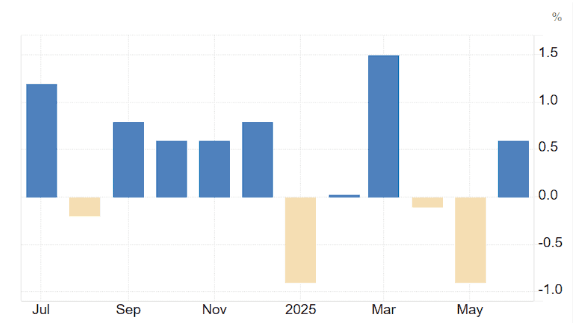






November’s 163.50K units mark a 3.10% decrease from October’s 168.70K and sit just below the 12-month average of 164.80K. The trend since June’s peak of 195.70K shows a steady decline, reflecting tightening credit and cautious consumer behavior.
Compared to the summer months (June–August average of 189.20K), November’s sales are down nearly 14%, signaling a clear seasonal and cyclical slowdown. However, the year-over-year increase of 7.10% versus November 2024’s 152.70K indicates underlying resilience in the Canadian auto market.