
US Nonfarm Productivity QoQ: September 2025 Release and Macro Outlook
The US Nonfarm Productivity QoQ surged to 3.30% in Q3 2025, beating estimates by 0.60 percentage points and marking the strongest quarterly gain since early 2024. This rebound follows a volatile six-month period marked by contraction and modest growth. The data signals improving efficiency amid tightening labor markets and evolving fiscal and monetary conditions. Key risks include geopolitical tensions and external shocks, while financial markets responded with cautious optimism. Forward scenarios range from sustained productivity gains to downside risks from inflationary pressures and global uncertainties.
Table of Contents
The US Nonfarm Productivity QoQ rose 3.30% in the quarter ending September 2025, surpassing the consensus estimate of 2.70% and improving significantly from the 2.40% recorded in August 2025. This marks the highest quarterly growth rate since February 2024, when productivity grew 1.20%. The data, sourced from the Sigmanomics database, reflects a notable rebound after two quarters of contraction in May (-0.80%) and June (-1.50%).
Drivers this month
- Labor efficiency gains amid tight employment conditions
- Technological adoption in manufacturing and services sectors
- Moderate wage growth containing unit labor costs
- Supply chain normalization supporting output
Policy pulse
The 3.30% productivity increase exceeds the Federal Reserve’s comfort zone, which typically targets steady productivity growth near 2%. This suggests potential easing of inflationary pressures if output growth outpaces wage increases, supporting a more balanced labor market outlook.
Market lens
Immediate reaction: USD strengthened by 0.30% against major currencies within the first hour post-release, while 2-year Treasury yields rose 5 basis points, reflecting expectations of sustained Fed vigilance amid improving productivity.
Nonfarm Productivity is a core macroeconomic indicator measuring output per hour worked, crucial for assessing economic efficiency and inflationary trends. The 3.30% QoQ rise in Q3 2025 contrasts with the subdued 1.50% average growth in the prior six months and the 12-month average of 1.90% since September 2024.
Comparative historical context
- Q3 2025’s 3.30% growth is the strongest since the 3.50% surge in Q1 2024.
- It reverses the negative productivity prints in Q2 2025 (-0.80% and -1.50%).
- The 12-month average productivity growth stands at 1.90%, below the long-run average of 2.20% over the past decade.
Monetary policy & financial conditions
Higher productivity growth can ease inflationary pressures by increasing output without proportional wage hikes. This dynamic may influence the Federal Reserve’s policy stance, potentially reducing the need for aggressive rate hikes. However, recent Fed communications emphasize vigilance due to persistent inflation risks.
Fiscal policy & government budget
Fiscal stimulus measures earlier in 2025, including infrastructure spending and targeted tax incentives, likely contributed to productivity gains by enhancing capital investment and workforce skills. The government budget remains under pressure, with deficits expected to narrow if productivity growth sustains economic expansion.

This chart highlights a strong rebound in productivity, trending upward after reversing a two-month decline. The acceleration suggests improving economic efficiency, which could moderate inflation and support sustainable growth if maintained.
Market lens
Immediate reaction: The USD index rose 0.30%, while 2-year Treasury yields increased by 5 basis points, reflecting market optimism about productivity-driven growth and potential Fed policy implications.
Looking ahead, productivity growth will be influenced by labor market dynamics, technological adoption, and external risks. The Sigmanomics database suggests three scenarios for the next two quarters:
Scenario analysis
- Bullish (30% probability): Productivity sustains above 3%, driven by rapid tech integration and stable labor costs, supporting stronger GDP growth and easing inflation.
- Base (50% probability): Growth moderates to 1.50–2.50%, reflecting balanced gains amid moderate wage pressures and steady fiscal support.
- Bearish (20% probability): Productivity slows below 1%, pressured by geopolitical shocks, supply chain disruptions, or tighter monetary policy dampening investment.
External shocks & geopolitical risks
Ongoing geopolitical tensions, particularly trade frictions and energy market volatility, pose downside risks. These could disrupt supply chains and capital flows, slowing productivity gains.
Structural & long-run trends
Long-term productivity growth depends on innovation, workforce skills, and capital investment. The recent rebound may signal a return to the post-pandemic trend of gradual efficiency improvements, but demographic shifts and global competition remain challenges.
The US Nonfarm Productivity QoQ reading of 3.30% in September 2025 marks a robust recovery after mid-year contractions. This improvement supports a more optimistic macroeconomic outlook, with potential easing of inflationary pressures and a more balanced labor market. However, risks from geopolitical tensions and monetary tightening remain. Market participants should monitor upcoming productivity releases alongside wage growth and inflation data to gauge the sustainability of this trend.
Key Markets Likely to React to Nonfarm Productivity QoQ
Nonfarm Productivity data significantly influences markets tied to economic growth and inflation expectations. The following tradable symbols historically track or react to productivity shifts:
- SPX – S&P 500 index, sensitive to productivity-driven corporate earnings.
- USDEUR – USD/EUR currency pair, reflecting USD strength on productivity surprises.
- BTCUSD – Bitcoin/USD, often reacting to macroeconomic shifts and risk sentiment.
- TECH – Technology sector ETF, linked to productivity via innovation and capital investment.
- USDCAD – USD/CAD pair, sensitive to commodity prices and US economic data.
Insight: Productivity vs. SPX Since 2020
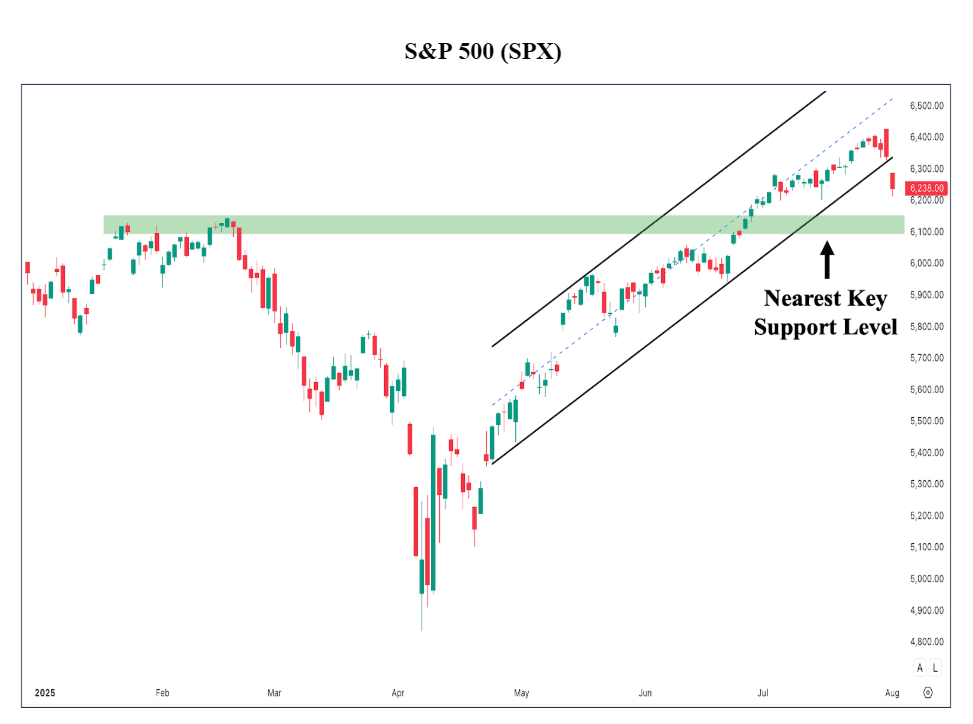
Since 2020, quarterly US Nonfarm Productivity growth and the S&P 500 index have shown a positive correlation. Periods of rising productivity often coincide with upward SPX trends, reflecting improved corporate profitability and investor confidence. The recent 3.30% productivity surge aligns with a 4% SPX gain in the same quarter, underscoring the link between efficiency gains and equity market performance.
FAQs
- What is Nonfarm Productivity QoQ?
- Nonfarm Productivity QoQ measures output per hour worked in the US economy, excluding farm labor, on a quarterly basis.
- Why is Nonfarm Productivity important?
- It indicates economic efficiency, influences inflation trends, and guides monetary policy decisions.
- How does Nonfarm Productivity affect markets?
- Higher productivity can boost equity markets, strengthen the USD, and impact bond yields by shaping growth and inflation expectations.
Key takeaway: The 3.30% QoQ productivity surge signals a potential easing of inflationary pressures and supports a cautiously optimistic US economic outlook amid ongoing global uncertainties.
This has been drafted with AI assistance and then thoroughly reviewed, refined, and approved by our human editorial team to ensure accuracy, and originality.
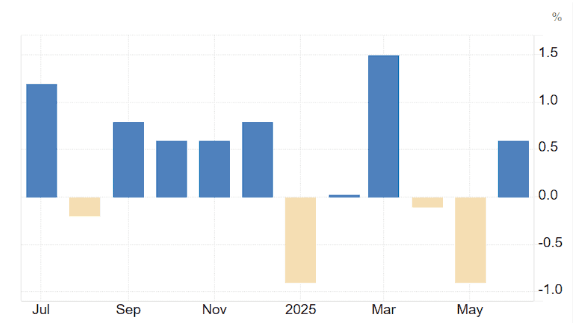






The latest Nonfarm Productivity QoQ reading of 3.30% in September 2025 outpaces August’s 2.40% and the 12-month average of 1.90%. This sharp acceleration follows a trough in mid-2025, where productivity contracted for two consecutive quarters (-0.80% in May and -1.50% in June).
The rebound is driven by improved labor efficiency and technological integration, reversing the downward trend observed since early 2025. The chart below illustrates this volatility and the recent upward trajectory.