
US Unit Labour Costs QoQ: September 2025 Release and Macroeconomic Implications
The latest US Unit Labour Costs (ULC) rose 1.00% QoQ in Q3 2025, below the 1.60% print in August and well under the 1.20% consensus estimate. This marks a notable deceleration from the mid-year peak of 6.60% in June. The moderation signals easing wage pressures amid slowing productivity gains, with implications for inflation, monetary policy, and financial markets. While upside risks remain from persistent labor market tightness, the data supports a cautious Federal Reserve stance. External shocks and fiscal dynamics continue to shape the outlook, with structural trends pointing to a gradual normalization of labor cost growth over the medium term.
Table of Contents
The US Unit Labour Costs (ULC) for Q3 2025 increased by 1.00% quarter-over-quarter, according to the latest data from the Sigmanomics database released on September 4, 2025. This figure came in below both the 1.60% reading from August and the 1.20% consensus forecast. Over the past 12 months, ULC growth has averaged approximately 2.70%, reflecting a volatile trajectory marked by a peak of 6.60% in June 2025 and troughs near 0.40% in September 2024.
Drivers this month
- Moderation in wage growth amid slowing productivity gains.
- Reduced overtime and bonuses in key sectors such as manufacturing and services.
- Stable labor force participation limiting upward wage pressure.
Policy pulse
The 1.00% increase places ULC growth below the Federal Reserve’s comfort zone for inflationary pressures, which typically aligns with wage growth near 2% annually. This moderation supports a less aggressive monetary policy stance, potentially allowing the Fed to pause rate hikes or adopt a wait-and-see approach in upcoming meetings.
Market lens
Immediate reaction: The US dollar index (DXY) dipped 0.30% within the first hour post-release, while 2-year Treasury yields fell by 5 basis points, reflecting easing inflation concerns. Equity markets responded positively, with the S&P 500 rising 0.40% as investors priced in a softer inflation outlook.
Unit Labour Costs measure the average cost of labor per unit of output and are a key indicator of inflationary pressure from the labor market. The 1.00% QoQ rise in Q3 2025 contrasts with the 1.60% increase in August and is significantly lower than the 6.60% peak in June. Historically, ULC growth above 3% has often presaged rising consumer price inflation, while sub-2% readings align with stable inflation environments.
Monetary Policy & Financial Conditions
The Federal Reserve’s recent policy stance has been influenced by labor cost trends. The deceleration in ULC growth reduces the urgency for further rate hikes. Financial conditions have tightened moderately since mid-2024, but the easing labor cost pressures may help stabilize credit spreads and support risk assets.
Fiscal Policy & Government Budget
Fiscal stimulus has waned since early 2025, with government spending growth slowing to 1.50% YoY. This reduced fiscal impulse aligns with the moderation in labor costs, as public sector wage growth has also slowed. Budget deficits remain elevated but are not expanding rapidly enough to fuel wage inflation.
External Shocks & Geopolitical Risks
Global supply chain disruptions have eased, reducing cost-push inflation. However, geopolitical tensions in Eastern Europe and East Asia pose upside risks to commodity prices, which could indirectly pressure labor costs if inflation expectations rise.
Over the past year, ULC growth has fluctuated significantly, with spikes in February (3.00%) and May (5.70%) reflecting episodic wage surges and productivity shocks. The recent moderation suggests that productivity improvements and labor supply adjustments are beginning to offset wage inflation.
This chart highlights a clear trend of easing labor cost inflation after mid-year peaks. The downward trajectory suggests less pressure on core inflation, which may influence the Federal Reserve’s policy path and market expectations for interest rates.
Market lens
Immediate reaction: Following the release, the USDEUR currency pair strengthened by 0.20%, reflecting improved confidence in the US economic outlook. The 2-year Treasury yield dropped 5 basis points, while the SPX index gained 0.40%, underscoring investor optimism on inflation moderation.
Looking ahead, the trajectory of Unit Labour Costs will be critical in shaping inflation dynamics and monetary policy. Three scenarios emerge:
- Bullish (30% probability): ULC growth stabilizes near 1%, supporting subdued inflation and enabling the Fed to maintain or cut rates by mid-2026.
- Base (50% probability): ULC growth fluctuates between 1.00% and 2.50%, reflecting balanced wage gains and productivity, leading to a gradual Fed tightening pause.
- Bearish (20% probability): ULC accelerates above 3%, driven by renewed labor shortages or geopolitical shocks, forcing the Fed to resume rate hikes.
Structural & Long-Run Trends
Long-term trends such as automation, demographic shifts, and globalization continue to exert downward pressure on labor cost growth. However, persistent labor market tightness and skill mismatches may sustain moderate wage inflation. The interplay of these forces will determine the pace of ULC growth over the next decade.
External Risks
Supply chain disruptions or geopolitical conflicts could reignite inflation pressures, pushing ULC higher. Conversely, technological advances and labor market reforms could further dampen wage growth.
The September 2025 US Unit Labour Costs print signals a welcome easing of wage pressures after a volatile year. The 1.00% QoQ increase suggests that inflationary risks from the labor market are moderating, providing the Federal Reserve with room to adopt a more cautious policy stance. However, upside risks from geopolitical tensions and labor market tightness remain. Investors and policymakers should monitor ULC alongside productivity and inflation data to gauge the evolving macroeconomic landscape.
Key Markets Likely to React to Unit Labour Costs QoQ
Unit Labour Costs are a vital gauge of inflationary pressure, influencing currency strength, bond yields, and equity valuations. Markets sensitive to US labor cost trends include the US dollar, Treasury yields, and major equity indices. Below are five tradable symbols historically correlated with ULC movements, reflecting their sensitivity to wage-driven inflation and monetary policy shifts.
- USDEUR – The US dollar vs. euro pair often reacts to US inflation data, including labor costs, impacting currency valuations.
- SPX – The S&P 500 index is sensitive to inflation and Fed policy shifts driven by labor cost trends.
- DJI – The Dow Jones Industrial Average reflects broad economic conditions influenced by wage growth.
- USDJPY – The US dollar vs. Japanese yen pair is a key indicator of risk sentiment and monetary policy divergence.
- BTCUSD – Bitcoin’s price often reacts to inflation expectations and monetary policy outlooks shaped by labor cost data.
Insight: Unit Labour Costs vs. SPX Since 2020
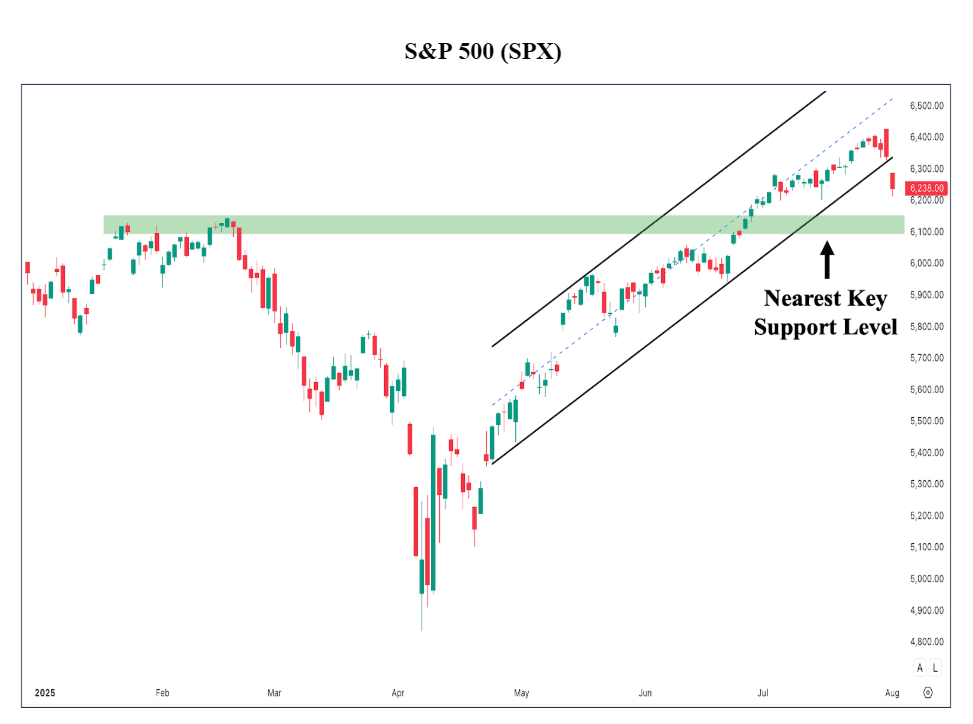
Since 2020, spikes in Unit Labour Costs have often preceded periods of increased volatility in the S&P 500 (SPX). For example, the mid-2025 peak in ULC at 6.60% coincided with a temporary SPX correction, while the recent moderation to 1.00% has supported a rebound. This inverse relationship highlights how labor cost inflation shapes equity market sentiment and risk appetite.
FAQs
- What is the significance of Unit Labour Costs QoQ?
- Unit Labour Costs measure labor expenses per unit of output, signaling inflationary pressures from wages and productivity changes.
- How does the latest US ULC reading affect monetary policy?
- The 1.00% QoQ rise suggests easing wage inflation, potentially reducing the need for aggressive Federal Reserve rate hikes.
- Why monitor Unit Labour Costs alongside other indicators?
- ULC complements productivity and CPI data, providing a fuller picture of inflation dynamics and economic health.
Key takeaway: The moderation in US Unit Labour Costs to 1.00% QoQ signals easing wage pressures, supporting a cautious Fed and positive market sentiment, though risks remain from external shocks and labor market tightness.
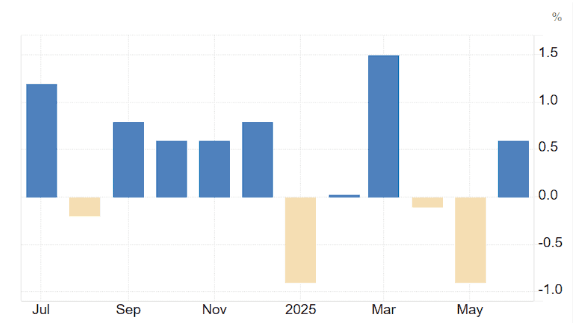





The latest 1.00% QoQ increase in US Unit Labour Costs is a marked slowdown from the 1.60% recorded last month and well below the 12-month average of 2.70%. This deceleration follows a sharp spike to 6.60% in June 2025, the highest since 2021, indicating a cooling of wage pressures after a period of intense labor market tightness.
Key figure: The 1.00% rise is the lowest quarterly gain since September 2024’s 0.40%, signaling a return to more sustainable labor cost growth.