
US Trade Balance Report: September 2025 Analysis and Macro Implications
The US trade deficit widened sharply in August 2025, reaching -$78.3 billion, up from -$60.2 billion in July. This increase exceeded market expectations of -$77.7 billion and marks a significant deviation from the recent trend of narrowing deficits. Drawing on data from the Sigmanomics database, this report examines the latest trade balance figures, compares them with historical readings, and explores the broader macroeconomic consequences amid evolving monetary, fiscal, and geopolitical conditions.
Table of Contents
The US trade balance in August 2025 deteriorated to -$78.3 billion, a $18.1 billion increase in the deficit compared to July’s -$60.2 billion. This figure is also substantially higher than the 12-month average deficit of approximately -$90 billion recorded over the past year. The widening gap reflects a surge in imports amid resilient domestic demand and persistent supply chain disruptions. Exports, meanwhile, have struggled to keep pace due to weaker global demand and currency fluctuations.
Drivers this month
- Import growth accelerated by 5.4% MoM, driven by consumer electronics and energy products.
- Exports declined 1.8% MoM, pressured by slower industrial machinery shipments and agricultural goods.
- Energy imports rose sharply due to higher crude oil prices and increased refinery activity.
Policy pulse
The trade deficit’s expansion complicates the Federal Reserve’s inflation targeting. A larger deficit can weaken the US dollar, potentially increasing import prices and inflationary pressures. The current reading sits above the Fed’s comfort zone, suggesting external imbalances may add to inflation persistence.
Market lens
Immediate reaction: The US dollar index (DXY) dipped 0.3% within the first hour post-release, reflecting concerns over the widening deficit. Treasury yields on the 2-year note rose modestly by 4 basis points, signaling mixed investor sentiment on growth and inflation outlooks.
The trade balance is a core macroeconomic indicator reflecting the net flow of goods and services across US borders. The August 2025 deficit of -$78.3 billion contrasts with the previous year’s peak deficits exceeding -$130 billion in spring 2025, indicating some volatility but no sustained improvement. The monthly swings highlight ongoing structural challenges in US trade dynamics.
Monetary policy & financial conditions
The Federal Reserve’s recent rate hikes have strengthened the dollar, which typically dampens exports by making US goods more expensive abroad. However, the August data suggests that import demand remains robust despite higher borrowing costs, pointing to resilient consumer spending and corporate investment.
Fiscal policy & government budget
Fiscal stimulus measures earlier in 2025 have supported domestic demand, indirectly fueling imports. The government’s budget deficit remains elevated, which may pressure the dollar and trade balance further if foreign investors reduce US Treasury holdings.
External shocks & geopolitical risks
Supply chain disruptions from geopolitical tensions, particularly in Asia and Eastern Europe, continue to affect export volumes. Tariff uncertainties and trade negotiations with key partners like China and the EU add layers of risk to future trade flows.
This chart highlights a clear trend of widening trade deficits after a short-lived improvement mid-year. The surge in imports amid softening exports suggests that domestic demand remains strong but external competitiveness is under pressure. The data points to a potential drag on GDP growth and increased inflation risks from import prices.
Market lens
Immediate reaction: US equity futures slipped 0.4% post-release, reflecting investor caution. The USD/CAD pair weakened 0.25%, influenced by rising US import costs and energy price volatility. Breakeven inflation rates edged up 3 basis points, indicating heightened inflation expectations tied to trade dynamics.
Looking ahead, the US trade balance trajectory will hinge on several factors. Bullish, base, and bearish scenarios outline the range of possible outcomes:
Scenario probabilities
- Bullish (20%): Trade deficit narrows to below -$60 billion by year-end, driven by stronger export growth from easing supply chains and improved global demand.
- Base (55%): Deficit remains elevated near current levels (-$75 to -$80 billion), reflecting persistent import strength and moderate export recovery.
- Bearish (25%): Deficit widens beyond -$90 billion due to renewed geopolitical shocks, rising energy prices, and a stronger dollar dampening exports further.
Structural & long-run trends
Long-term US trade deficits reflect structural factors such as the dollar’s reserve currency status, persistent consumption patterns, and global supply chain integration. While short-term volatility is expected, sustained deficits may pressure the currency and inflation, influencing monetary policy decisions.
Financial markets & sentiment
Market participants will closely monitor trade data for signals on growth and inflation. A persistent deficit could weigh on the dollar and US Treasury demand, while also affecting risk sentiment in equity and commodity markets.
The August 2025 US trade balance report signals a notable widening of the deficit, driven by robust import demand and faltering exports. This development complicates the Federal Reserve’s inflation outlook and underscores ongoing structural trade challenges. Policymakers must balance growth support with external stability amid geopolitical uncertainties and evolving global demand. Investors should prepare for continued volatility in currency and bond markets as trade dynamics unfold.
Key Markets Likely to React to Trade Balance
The US trade balance is a critical driver for multiple asset classes. The following symbols historically track trade data movements and are likely to react to this report:
- AAPL – Apple’s global supply chain and export exposure link it closely to trade flows.
- USDCAD – The currency pair is sensitive to US trade deficits, especially energy imports from Canada.
- BTCUSD – Bitcoin often reacts to macro uncertainty and currency fluctuations tied to trade data.
- TSLA – Tesla’s international sales and supply chains make it vulnerable to trade shifts.
- EURUSD – The euro-dollar pair reflects broad trade and capital flow dynamics influenced by US deficits.
FAQs
- What is the current US trade balance and why does it matter?
- The US trade balance in August 2025 was -$78.3 billion, indicating a larger deficit. It matters because it affects currency strength, inflation, and economic growth.
- How does the trade deficit impact US monetary policy?
- A wider deficit can weaken the dollar and increase import prices, complicating the Federal Reserve’s inflation control efforts.
- What are the risks to the US trade balance outlook?
- Risks include geopolitical tensions, energy price volatility, and global demand fluctuations, which can widen or narrow the deficit unexpectedly.
Takeaway: The August trade deficit surge signals persistent external imbalances, posing inflation and currency risks that will shape US macro policy and markets through year-end.
This has been drafted with AI assistance and then thoroughly reviewed, refined, and approved by our human editorial team to ensure accuracy, and originality.


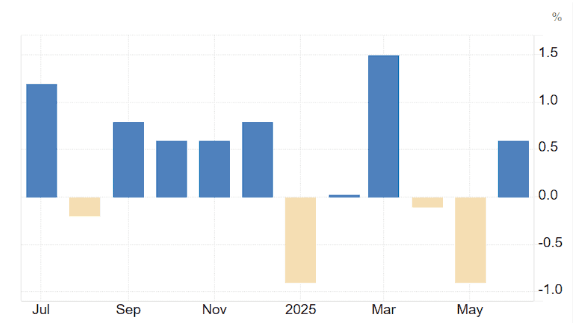


The August 2025 trade deficit of -$78.3 billion represents a sharp increase from July’s -$60.2 billion and remains above the 12-month average of approximately -$70 billion. This reversal follows a brief period of deficit narrowing in June and July, signaling renewed external imbalances.
Imports rose by 5.4% month-over-month, led by energy and consumer goods, while exports declined 1.8%, reflecting weaker global demand and supply chain constraints. The net effect was a $18.1 billion increase in the deficit, the largest monthly jump since May 2025.