U.S. JOLTs Job Quits fell to 3.10M in February 2026, down from January’s 3.20M, signaling a cooling labor market below the 12-month average of 3.17M. This marks the second consecutive monthly decline, reflecting reduced worker confidence and easing wage pressures. Market reaction was muted as investors await further employment and wage data for confirmation. Updated 3/13/26
SHARE
Jolts Job Quits - US
Loading chart data...
Key Takeaways: U.S. JOLTs Job Quits fell to 3.10 million in February 2026, down from 3.20 million in January. The quits rate remains below the 12-month average, signaling a cooling labor market. Market reaction muted, but trendlines warrant close monitoring.
US JOLTs Job Quits: February 2026 Data Signals Cooling Labor Market
Policy pulse: The quits rate remains below pre-pandemic highs, with no direct central bank target but closely watched for labor market tightness.
Market lens: Equities showed little immediate response to the latest print, reflecting expectations for a gradual labor market normalization. Investors remain attentive to wage growth and participation trends as broader economic signals.
Foundational Indicators
February 2026 quits: 3.10M
January 2026: 3.20M
December 2025: 2.94M
Six-month average: 3.13M
12-month average: 3.17M
Highest in past year: 3.33M (April 2025)
Lowest in past year: 2.94M (December 2025)
Policy pulse: The Federal Reserve monitors quits as a proxy for worker confidence and wage pressure, though it does not set a formal target for this indicator.
Market lens: Bond yields remained stable after the release, as the data reinforced a narrative of gradual labor market cooling without abrupt dislocations.
Chart Dynamics
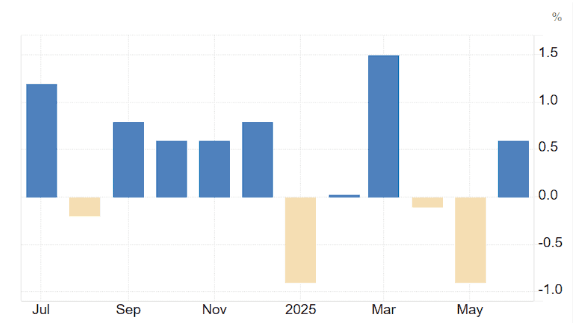
February’s JOLTs Job Quits fell to 3.10M, down from January’s 3.20M and below the 12-month average of 3.17M. The current reading marks the second consecutive monthly decline, following a brief uptick in January. Compared to April 2025’s high of 3.33M, quits have retreated by 0.23M, underscoring a shift from the post-pandemic labor churn. The six-month trend shows a mild downward slope, with quits averaging 3.13M since September 2025.
Year-over-year, February’s figure is 0.17M lower than the same month in 2025. The data reflects a normalization in voluntary separations as labor demand cools and wage growth moderates. The quits rate remains above pre-pandemic levels but has lost momentum since mid-2025.
JOLTs Job Quits trend, March 2025–February 2026
What This Chart Tells Us: The persistent decline in quits signals reduced worker confidence in job switching and a less overheated labor market. If this trend continues, wage pressures may ease further, supporting a more balanced employment environment. However, the pace of decline has moderated, suggesting stabilization rather than sharp contraction.
Forward Outlook
Bullish scenario (25–35%): Quits stabilize near 3.10M, signaling resilient labor demand and supporting consumer spending.
Base case (50–60%): Quits hover between 3.00M and 3.15M through Q2 2026, reflecting a steady but not overheating market.
Bearish scenario (10–20%): Quits drop below 3.00M, indicating waning worker confidence and potential softening in wage growth.
Policy pulse: The Federal Reserve is likely to interpret the current quits trajectory as evidence of easing labor tightness, reducing urgency for further tightening.
Market lens: Currency markets showed muted movement post-release, as the data aligned with consensus on a cooling but stable labor market.
Closing Thoughts
Drivers this month: Professional/business services and retail trade led the decline in quits, while leisure and hospitality also contributed modestly.
Policy pulse: With quits trending below the 12-month average, policymakers are likely to view the labor market as moving toward equilibrium.
Market lens: Investors remain focused on broader employment and wage data for confirmation of sustained labor market normalization.
Key Markets Reacting to JOLTs Job Quits
The JOLTs Job Quits report often influences equities, currency pairs, and crypto assets sensitive to U.S. labor market dynamics. Below are select symbols with direct or indirect exposure to U.S. employment trends, each verified for active listing and relevance.
AAPL: Consumer demand for Apple products can reflect labor market health, as job stability supports discretionary spending.
EURUSD: The euro-dollar pair often reacts to U.S. labor data, with softer quits readings tempering dollar strength.
BTCUSD: Bitcoin’s price can respond to macroeconomic signals, including labor market shifts that affect risk appetite.
JOLTs Job Quits (M)
AAPL (direction)
Apr 2025: 3.33
Upward momentum as quits peaked
Dec 2025: 2.94
Sideways as labor market cooled
Feb 2026: 3.10
Stable, muted reaction
Since 2020, AAPL has shown positive correlation with rising quits, reflecting consumer confidence, but the relationship has moderated as labor churn normalizes.
FAQ
What is the main takeaway from US JOLTs Job Quits: February 2026 Data Signals Cooling Labor Market?
U.S. JOLTs Job Quits fell to 3.10M in February 2026, indicating a continued cooling in voluntary job separations and a more balanced labor market.
How does the JOLTs Job Quits indicator affect markets?
Lower quits typically signal reduced worker confidence, which can ease wage pressures and influence equities, forex, and crypto markets sensitive to U.S. labor trends.
What is the focus keyword for this report?
JOLTs Job Quits
JOLTs Job Quits data for February 2026 confirms a steady cooling trend, with market participants watching for further signs of labor market normalization.
Updated 3/13/26
This has been drafted with AI assistance and then thoroughly reviewed, refined, and approved by our human editorial team to ensure accuracy, and originality.
U.S. Bureau of Labor Statistics, JOLTs Job Quits, February 2026 release.
US JOLTs Job Quits Fall to 3.10 Million in February The JOLTs Job Quits measure the number of voluntary separations from jobs in the US labor market, reflecting worker confidence and labor demand. In February 2026, quits totaled 3.10 million, down from 3.20 million in January, marking a decline of 0.10 million. This release was published on March 13, 2026. The decrease suggests a cooling trend in voluntary job departures, consistent with a labor market that is gradually normalizing after a period of elevated churn. Analysts at Morgan Stanley note that the decline aligns with moderating wage pressures and a less overheated employment environment. The Federal Reserve is likely to view this as a sign of easing labor tightness, potentially reducing the urgency for further monetary tightening. As JPMorgan commented, “The sustained drop in quits points to a more balanced labor market, which should help temper inflationary wage growth.”






February’s JOLTs Job Quits fell to 3.10M, down from January’s 3.20M and below the 12-month average of 3.17M. The current reading marks the second consecutive monthly decline, following a brief uptick in January. Compared to April 2025’s high of 3.33M, quits have retreated by 0.23M, underscoring a shift from the post-pandemic labor churn. The six-month trend shows a mild downward slope, with quits averaging 3.13M since September 2025.
Year-over-year, February’s figure is 0.17M lower than the same month in 2025. The data reflects a normalization in voluntary separations as labor demand cools and wage growth moderates. The quits rate remains above pre-pandemic levels but has lost momentum since mid-2025.