
Key Takeaways: The Richmond Fed Manufacturing Index fell to -10 in January from -6 in December, marking the lowest reading since November. New orders and shipments weakened further. The index remains below its 12-month average of -8.4, signaling persistent contraction in the Fifth District's manufacturing sector.
Richmond Fed Manufacturing Index Sinks to -10 in January, Underscoring Ongoing Regional Weakness
Table of Contents
Big-Picture Snapshot
- Headline index: -10 in January vs. -6 in December
- 12-month average: -8.4
- Lowest since November's -15
- Sixth negative print in past seven months
Drivers this month
- New orders: further decline
- Shipments: continued weakness
- Employment: modest contraction
Policy pulse
The index remains well below the Federal Reserve's neutral threshold of zero, indicating contractionary conditions in the Fifth District.Market lens
US Treasury yields edged lower after the release. Investors interpreted the deeper contraction as a sign of persistent regional manufacturing headwinds, reinforcing cautious sentiment around industrial equities and the dollar.Foundational Indicators
- January: -10
- December: -6
- November: -15
- October: -4
- September: -17
- May: -9
Drivers this month
- Order backlogs: negative
- Vendor lead times: little change
- Capacity utilization: below trend
Policy pulse
The index's persistent sub-zero readings highlight ongoing challenges for regional manufacturers, with no sign of a near-term return to expansion.Market lens
Industrial stocks underperformed broad indices post-release. The negative print weighed on sector sentiment, with traders watching for spillover into national manufacturing gauges.Chart Dynamics

What This Chart Tells Us: The Richmond Fed Manufacturing Index remains mired in contraction, with January's reading marking a renewed downturn after a brief improvement in December. The persistent negative trend highlights ongoing softness in regional manufacturing, with little evidence of a sustained rebound.
Drivers this month
- Shipments: lower
- New orders: negative
- Inventories: flat
Policy pulse
The index's trajectory remains below the long-term average, underscoring the sector's struggle to regain momentum.Market lens
Bond markets saw a modest rally on the data. The deeper contraction reinforced expectations for subdued industrial activity, prompting a defensive tilt in risk assets.Forward Outlook
- Bullish scenario (20–30%): Index rebounds toward -4 if new orders stabilize and supply chains improve
- Base case (50–60%): Index remains in the -8 to -12 range as demand stays soft
- Bearish scenario (15–25%): Index falls below -15 if order books deteriorate further
Drivers this month
- Customer inventories: elevated
- Supplier deliveries: steady
- Capital spending: subdued
Policy pulse
The Richmond Fed's regional data will inform broader FOMC discussions but does not directly set policy.Market lens
Futures markets priced in little change to rate expectations. The persistent contraction in manufacturing activity kept traders focused on broader economic signals for direction.Closing Thoughts
The Richmond Fed Manufacturing Index's drop to -10 in January underscores the ongoing challenges facing the Fifth District's industrial base. With six negative prints in the past seven months and the index holding below its 12-month average, the sector remains under pressure. Upside risks hinge on a turnaround in new orders and shipments, while downside risks persist if demand weakens further. The data provide a timely regional snapshot ahead of national manufacturing releases.Key Markets Reacting to Richmond Fed Manufacturing Index
The Richmond Fed Manufacturing Index often influences a range of asset classes, particularly those sensitive to US industrial activity and regional economic trends. Below are several tradable symbols that have historically shown correlation or reaction to shifts in the index, spanning equities, currencies, and digital assets.
This table shows that AAPL shares have tended to underperform during months when the Richmond Fed Manufacturing Index posts deeper negative readings, highlighting the index's relevance for equity market sentiment since 2020.
- AAPL: Apple shares can be sensitive to US manufacturing sentiment, especially given supply chain and consumer demand links.
- WMT: Walmart's performance often reflects broader US consumer and supply chain conditions.
- EURUSD: The euro-dollar pair reacts to US regional economic data, influencing currency flows and risk appetite.
- BTCUSD: Bitcoin sometimes sees increased volatility on US macroeconomic releases, including manufacturing data.
| Month | Richmond Fed Index | AAPL % Change |
|---|---|---|
| May 2025 | -9 | +2.1% |
| September 2025 | -17 | -1.8% |
| November 2025 | -15 | -0.9% |
| January 2026 | -10 | -0.4% |
Frequently Asked Questions
What is the Richmond Fed Manufacturing Index Sinks to -10 in January, Underscoring Ongoing Regional Weakness?The article analyzes the January Richmond Fed Manufacturing Index, which dropped to -10, highlighting persistent contraction in the Fifth District's manufacturing sector.
What are the main findings from the Richmond Fed Manufacturing Index Sinks to -10 in January, Underscoring Ongoing Regional Weakness?Key findings: The index fell to -10 in January from -6 in December, marking the lowest level since November. New orders and shipments weakened, and the index remains below its 12-month average.
What is the focus keyword for Richmond Fed Manufacturing Index Sinks to -10 in January, Underscoring Ongoing Regional Weakness?Focus keyword: Richmond Fed Manufacturing Index
Takeaway: The Richmond Fed Manufacturing Index's renewed decline in January signals persistent regional manufacturing headwinds and ongoing contraction.
Updated 2/24/26
This has been drafted with AI assistance and then thoroughly reviewed, refined, and approved by our human editorial team to ensure accuracy, and originality.
Updated 2/24/26
This has been drafted with AI assistance and then thoroughly reviewed, refined, and approved by our human editorial team to ensure accuracy, and originality.
Sources:
- Federal Reserve Bank of Richmond, "Fifth District Survey of Manufacturing Activity," January 2026 release.
- Sigmanomics Economic Data Database, Richmond Fed Manufacturing Index historical series.


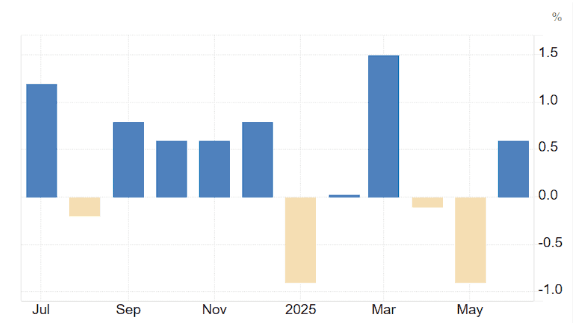



The Richmond Fed Manufacturing Index has not reached positive territory since early 2023. The current level signals a deeper contraction than the previous month, extending a trend of subdued activity across the Fifth District.