5 Stocks Poised to Define the Year-End Rally

NVDA Daily Chart Source: Sigmanomics.com
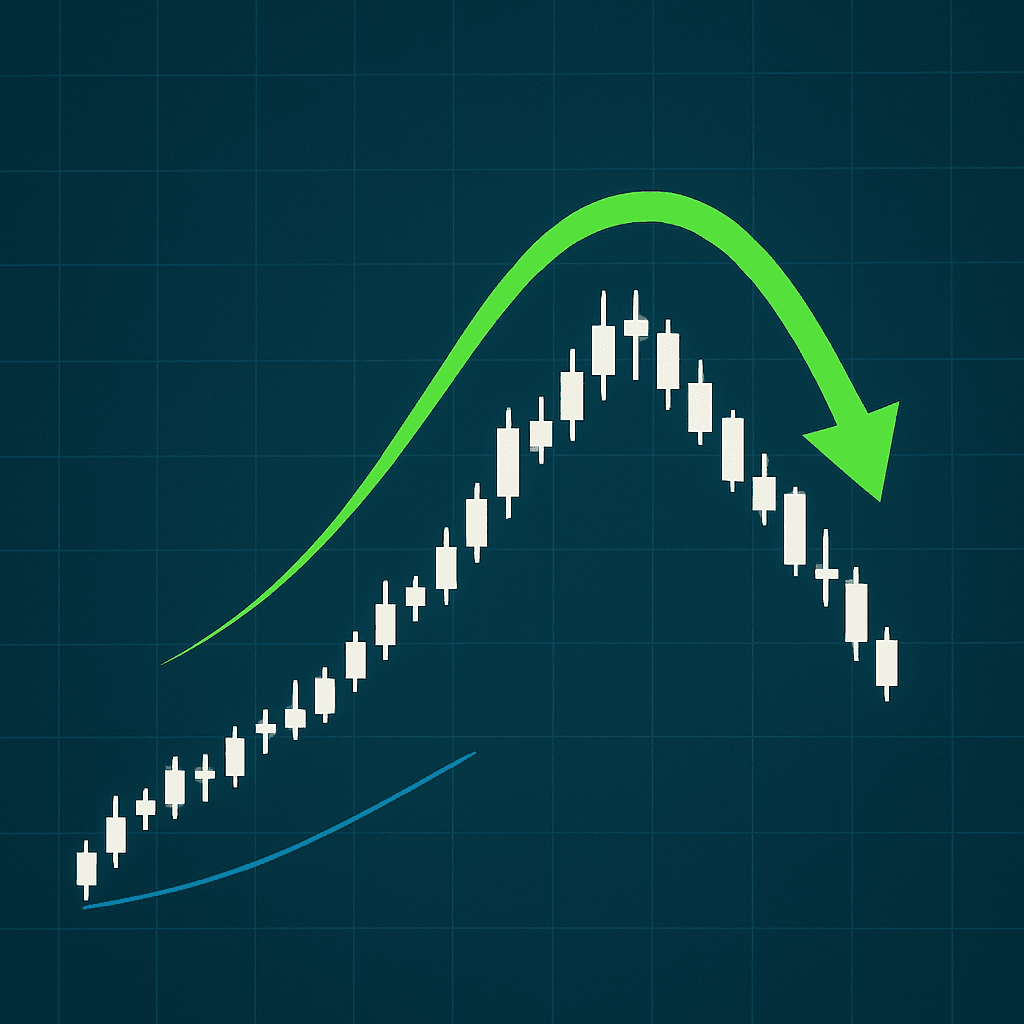
In it’s recent report release in November 2025, Nvidia announced absurd topside figures – fiscal Q3 2026 revenue came in at $57.0 billion (up 62 percent year-on-year), with data centers revenue at $51.2 billion, up 66 percent. One recent summary of 43 Wall Street analysts targets, pegs Nvidia average 12 month price target around $230 per share, implying roughly 25 percent increase from current levels. CFRA reiterates a strong buy and a target of $270, largely due to Nvidia’s managements’ multitrillion-dollar AI infrastructure vision.
Our analysts here at Sigmanomics believe there is much topside as well, but not before a notable pullback over the course of weeks. From a technical persepective, the stock has slipped by its ascending channel and currently retesting those breaks before possibly continuing lower. Short term target for bears lie at psycholgical 170 and 160 levels respectively.
Apple Weekly Chart Source: Sigmanomics.com
Apple, the second-largest S&P weight at 6.7 percent, currently sits around $4.1 trillion market cap. With sold fundamentals to end 2025, Tradingview’s apple consensus sits around $285.5 over 12 months, with individual targets ranging from $215-$345. Meanwhile, JPMorgan’s Samik Chatterjee is sticking with a $305 target and an overweight rating as iPhone 17 demand runs ahead of supply. As the holiday quarter is already set in stone amid pre-orders and supply chain data, the remaining variable is how far investors are willing to front-run 2026.
From a technical viewpoint, our analysts at Sigmanomics believe a pullback is long overdue (similar to Nvidia). This stance is also backed by the weekly RSI bearish divergence that has been intact since July 2023 to date. Should short term support began to crumble, bears will look to eye $220-$190.00
MSFT Weekly Chart Source: sigmanomics.com/msft
Microsoft is where macro, AI and cloud collide. Trading at $480-$485, the giant is 5.9 percent of the S&P weight. To date consensus of analysts displays a stong buy with 12-month price targets of $625-$630, implying roughly 30-32 percent gain. On the back of Azure growth, Copilot-driven Microsoft 365 ARPU, and strong enterprise demand, analysts are modeling next quarter revenue at just over $80 billion.
Sigmanomics analysts are also included in this topside consenses, but it is worth noting that a pullback similar to the other assets mentioned previously is largely overdue. Supported by a deepend RSI bearish divergence that has been intact since 2020, we will look for key support levels to give away and any pullacks thereafter as selling signals towards $360.
AMZN Weekly Chart  Source: sigmanomics.com/amzn
Ronald Francois, Senior Strategist
Ronald is a senior market strategist at Sigmanomics.com, bringing over a decade of hands-on experience in equity markets and three years of specialized expertise in options trading. Known for his sharp fundamental analysis and deep understanding of macroeconomic trends, Ronald provides readers with actionable insights that bridge the gap between institutional strategy and individual investor needs. Featured in fxstreet.com